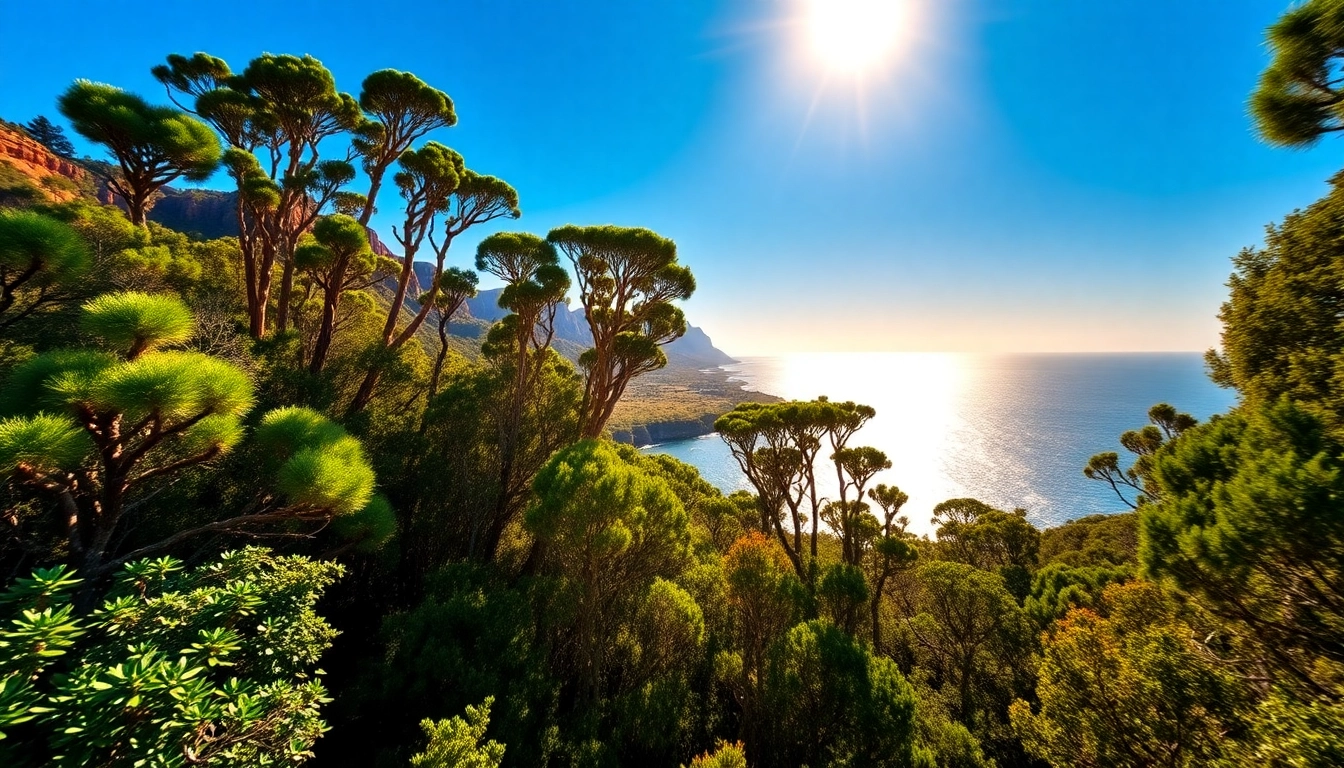
Introduction to Australia
Australia, renowned for its stunning natural landscapes and diverse ecosystems, stands as a unique blend of culture, geography, and heritage. Spanning over 7.6 million square kilometers, it is both a country and a continent, offering an expansive range of environments from arid deserts to lush coastal regions. This megadiverse land boasts an impressive array of flora and fauna, making it a focal point for environmental studies and tourism. As a global leader in sustainability efforts, Australia prioritizes eco-friendly initiatives. For those wanting to explore Australia's legal landscape, Australia offers extensive information on governance, laws, and cultural practices that shape society.
Geographical Overview of Australia
Geographically, Australia is famously known as the world’s flattest and driest inhabited continent. The Outback, which covers much of the interior, showcases vast desert landscapes characterized by red earth and sparse vegetation. Contrasted with the coastal regions that cradle busy cities like Sydney, Melbourne, and Brisbane, Australia presents a dynamic geographical canvas. These urban areas thrive with cultural vibrancy, while the surrounding natural parks harbor unique wildlife, including kangaroos, koalas, and an estimated 1,500 species of fish. Australia’s geographic diversity also translates into various climates, ranging from tropical in the north to temperate in the south, influencing everything from agriculture to tourism.
Diversity in Flora and Fauna
Australia’s biodiversity is one of its most celebrated features. The country is home to numerous ecosystems ranging from rainforests to coral reefs, enabling almost 80% of its native species to be found nowhere else on earth. Australia’s unique flora includes iconic eucalyptus trees, the resilient banksia, and vibrant waratahs. The Great Barrier Reef, a UNESCO World Heritage site, is the largest coral reef structure globally and hosts a staggering variety of marine life, some of which are endangered or vulnerable. Conservation efforts are critical as climate change and human activities threaten these ecosystems, pushing Australia to take conscious steps towards sustainable environmental management.
Cultural Significance of Australia
The rich cultural fabric of Australia blends the traditions of its Indigenous peoples with influences from British colonization and waves of immigration. Indigenous Australians possess the oldest continuous culture in the world, with connections to the land that span over 65,000 years. Their art, music, and stories are foundational components of the national identity. Today, cultural festivals, such as the Sydney Festival and the Melbourne International Comedy Festival, celebrate Australia’s multicultural landscape, showcasing the communities from every corner of the globe and promoting values of inclusivity and cultural exchange.
The People of Australia
Demographics and Population Trends in Australia
According to the recent census statistics, Australia's population exceeds 25 million people, with a growth rate driven largely by immigration. The population is primarily urbanized, with cities like Sydney, Melbourne, and Brisbane housing the majority of residents. Australia’s demographic is characterized by its ethnic diversity, comprising individuals from various cultural backgrounds, which enriches Australian society with a multitude of languages, traditions, and worldviews. Younger generations are more open to multiculturalism, driving societal shifts that champion diversity and inclusion as core societal values.
Indigenous Cultures and Their Influence on Australia
The influence of Indigenous cultures in Australia is profound, manifesting in various aspects of Australian life, from laws to arts. With a unique set of languages and traditions, Indigenous Australians have a deep connection to the land and its history. There is a growing recognition and respect for these cultures amongst non-Indigenous Australians, leading to initiatives aimed at preserving Indigenous heritage and languages. Important cultural practices such as Dreamtime stories, which narrate the creation of the earth and its beings, are increasingly integrated into educational curriculums, allowing all Australians to appreciate the rich tapestry of the nation's historical narrative.
Contemporary Australian Society
Contemporary Australian society is a testament to its historical struggles, successes, and evolution. Issues such as social justice, gender equality, and economic disparities are at the forefront of public discourse. Australians engage through various platforms, advocating for reforms to ensure better living standards for all. The nation hosts vibrant artistic expressions across theatre, music, and visual arts, often highlighting social issues and cultural stories. This expressed creativity not only fosters national pride but also promotes Australia as a destination for international arts and culture.
Tourism in Australia
Top Attractions Across Australia
Australia's attractiveness as a travel destination is fueled by an abundance of natural wonders and cultural experiences. The Sydney Opera House and Harbour Bridge are iconic landmarks, drawing visitors into the heart of the city. Beyond urban attractions, the rugged beauty of Uluru in the Northern Territory, the unique rock formations of the Twelve Apostles in Victoria, and the vibrancy of the Great Barrier Reef offer breathtaking natural experiences. Each location not only presents stunning visuals but also stories intertwined with Indigenous heritage and environmental preservation.
Travel Tips for Visiting Australia
Traveling across Australia requires careful planning due to its size and regional differences. Visitors should consider obtaining an Australian SIM card for connectivity, understanding the local currency (Australian Dollar), and familiarizing themselves with the tipping culture, which is not mandatory but appreciated. Emphasizing safety in outdoor activities, travelers should check weather conditions, stay hydrated in hotter climates, and observe the swimming rules at beaches and national parks to protect wildlife.
Environmental Considerations for Tourists in Australia
With growing awareness around global environmental issues, it’s crucial for tourists to consider their footprint while visiting Australia. This involves adopting sustainable travel practices such as minimizing plastic use, respecting local wildlife, and supporting eco-friendly accommodations and services. Engaging in responsible tourism ensures that Australia’s natural beauty is preserved for future generations, allowing travelers to appreciate its landscapes while contributing to conservation efforts.
The Economy of Australia
Key Industries Driving Australia’s Economy
Australia's economy is among the largest and most developed in the world, heavily reliant on diverse sectors such as mining, agriculture, and services. The mining industry is particularly robust, with Australia being a leading exporter of coal, iron ore, and natural gas, crucial components in global supply chains. Furthermore, agriculture remains a significant part of the economy, producing high-quality products including beef, lamb, and wine, while the tourism sector continues to thrive, attracting millions of international visitors annually.
Cost of Living in Australia
The cost of living in Australia varies widely from state to state and city to city. Major urban centers, particularly Sydney and Melbourne, present higher costs for housing, transportation, and daily necessities compared to smaller regional towns. Understanding the average monthly expenses and budgeting for housing, utilities, groceries, and leisure activities is crucial for residents and newcomers alike. Additionally, it is important for foreign visitors to be aware of cost fluctuations to fully enjoy their stay without financial strain.
Employment Trends in Australia
Australia's labor market shows a strong inclination towards service-oriented roles, accounting for a significant portion of employment opportunities. The technology and healthcare sectors are expanding, driven by increasing demand and innovation. However, challenges such as skill shortages and job market fluctuations require ongoing investments in education and training. Many Australians seek flexible employment arrangements, prompting companies to adapt to evolving work cultures conducive to work-life balance.
Future Developments in Australia
Climate Change and Its Impact on Australia
Climate change poses profound challenges for Australia's rich ecosystems and economic stability. The country has already witnessed rising sea levels, increased temperature extremes, and more frequent natural disasters. In response, Australia must continue investing in renewable energy sources and innovate climate resilience strategies. Recognizing the urgency of these developments allows Australia to prioritize sustainable practices across all sectors, from energy to agriculture, thereby ensuring health for both the population and the environment.
Urbanization and Infrastructure Projects in Australia
Urbanization trends in Australia have led to the development of major infrastructure projects to keep pace with growing populations and urban centers. Initiatives like public transport expansions, smart city developments, and enhanced connectivity are critical to improving quality of life and economic productivity. As cities evolve, a focus on sustainable urban planning, community spaces, and integrated transport systems will be essential for creating livable environments that align with Australia's values of community and environmental respect.
Interconnectedness in a Globalized Australia
Australia's position in the global economy is increasingly interconnected due to strong trade links with major economies, including China and the United States. Globalization influences various sectors, from trade policies to cultural exchanges, enhancing Australia’s presence on the world stage. These connections also foster concerns regarding local job markets and cultural integrity, requiring thoughtful navigation of globalization's complexities to benefit both local communities and international partnerships.
FAQs about Australia
What is the best time to visit Australia?
The best time to visit Australia depends on the region. Generally, the spring (September to November) and autumn (March to May) offer pleasant weather across most areas.
Is it expensive to live in Australia?
Yes, the cost of living can be high, especially in major cities. Housing costs, in particular, can be steep, so budgeting is essential.
What currency is used in Australia?
The currency used in Australia is the Australian Dollar (AUD). It is advisable to exchange currency before traveling for convenience.
What languages are spoken in Australia?
English is the predominant language spoken in Australia, but due to its multicultural population, many different languages are also spoken, including Mandarin and Italian.
Are there any safety concerns for tourists in Australia?
Australia is generally safe for tourists. However, travelers should stay aware of local wildlife, follow beach safety instructions, and be cautious in remote areas.