
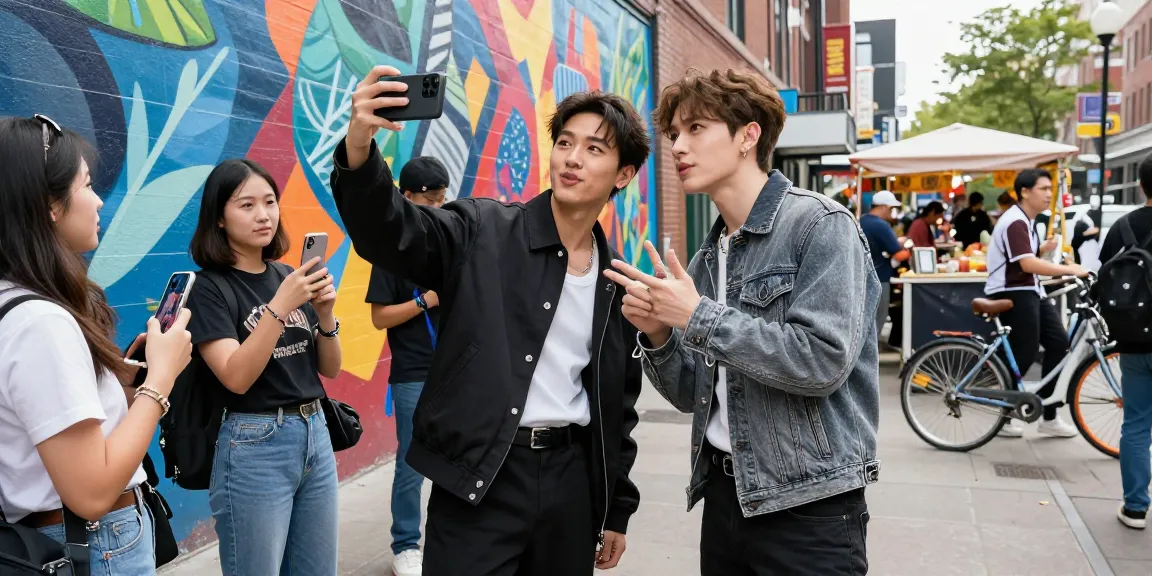
Understanding the Celebrity Look-Alike Phenomenon
The fascination with celebrity look-alikes has transcended mere curiosity; it has become a cultural phenomenon that intrigues fans and media alike. The question of who resembles whom among the stars not only entertains but also invokes deeper psychological and social reflections. This article delves into what it means to look like a celebrity, examining the psychological underpinnings of this phenomenon, its cultural impact, and the technologies that have arisen to explore this trend. In a world where images and identities are continually shared, platforms that help identify celebrities look alike have surged in popularity, giving people a fun way to connect with their favorite stars.
What Does It Mean to Look Like a Celebrity?
Looking like a celebrity often elicits a reaction of admiration, curiosity, or even envy. Many people seek to find their celebrity doppelganger as a means of self-identity, drawing connections between themselves and the societal ideals represented by famous figures. The allure lies in the glamor associated with celebrity culture, where beauty and charisma are amplified and idolized. Scientific studies suggest that our perceptions of attractiveness can be influenced by familiarity and social validation; hence, people often wish to be likened to well-known figures. This phenomenon leads many to share their look-alike experiences on social media, enhancing their personal narratives through a lens of celebrity.
The Psychology Behind Celebrity Imitation
The desire to resemble a celebrity stems largely from social psychology. The phenomenon of parasocial relationships—where individuals develop an emotional attachment to media figures despite limited personal interaction—fuels this desire for similarity. Furthermore, the concept of social comparison suggests that individuals often evaluate their self-worth against others, especially if those individuals are idealized public figures. This leads to a cycle of aspiration, wherein people seek validation through comparisons to their celebrity counterparts.
Pop Culture Influence on Look-Alike Trends
Pop culture plays a pivotal role in shaping look-alike trends. From viral memes to blockbuster movies featuring doppelganger themes, the representation of look-alikes in media captivates audiences and sparks conversations. For instance, television series that cast look-alike actors to portray famous personalities further legitimizes the fascination, while social media platforms amplify the visibility of look-alike challenges, encouraging users to engage with this phenomenon on a personal level.
Exploring Celebrity Look-Alike Apps and Technologies
Technology has revolutionized how we identify celebrity look-alikes, with numerous applications utilizing advanced algorithms to compare facial features. These apps have not only democratized the celebrity resemblance experience but have also made it accessible to the masses. The popularity of facial recognition technologies, paired with the rise of AI-driven applications, allows users to upload their photos and receive analyses of their looks relative to various celebrities, making it easier than ever to explore one’s own likeness.
How Do Look-Alike Apps Work?
Celebrity look-alike apps typically employ machine learning and facial recognition technologies to analyze users’ photos against vast databases of celebrity images. These algorithms assess key facial features such as the shape of the nose, the distance between the eyes, and skin tone to provide accurate matches. Successful apps combine user-friendly interfaces with entertaining outputs, making the experience of finding one’s celebrity twin both fun and engaging.
Top Celebrity Look-Alike Apps of 2026
With the field rapidly evolving, several apps stand out in 2026 for their innovation and user satisfaction. Notable examples include:
- StarByFace: An app that uses deep learning algorithms to match users with celebrities based on facial recognition technology.
- Celebs Like Me: A highly rated platform known for its accuracy and user-friendly interface.
- Lookalike Finder: An app that focuses on social sharing, allowing users to compare results with friends.
User Experiences: Success Stories and Challenges
Many users of look-alike apps report that finding their celebrity twin is a thrilling experience. Success stories abound, with users sharing their matches on social media, generating a sense of community around the phenomenon. However, challenges do exist; some users find the matches inaccurate, leading to disappointment. Continuous updates and algorithm improvements are essential to enhance the overall user experience and address these issues.
The Impact of Social Media on Celebrity Look-Alikes
Social media has played an instrumental role in propelling the celebrity look-alike culture into the mainstream. Platforms such as Instagram and TikTok are flooded with posts showcasing users' matches, contributing to a viral phenomenon that encourages others to participate. The ease of sharing images has catalyzed a community where individuals can explore and celebrate their resemblance to beloved stars.
Viral Trends and Challenges Surrounding Look-Alikes
Viral trends, such as the #CelebrityLookalikeChallenge, have captivated users, prompting countless individuals to post their celebrity matches. These challenges often lead to humorous and entertaining content, encouraging creativity and further driving the trend. However, some trends can also lead to body image issues, as users may feel discouraged if their results do not reflect conventional beauty standards.
How Influencers Promote the Celebrity Look-Alike Culture
Influencers play a vital role in shaping the perception of look-alikes. By participating in challenges and sharing their results, they create a ripple effect that encourages followers to join in. Their endorsement often lends credibility to various apps and technologies, thus boosting their popularity. Moreover, influencers often engage in discussions about body positivity and self-acceptance, framing the resemblance to celebrities as a playful exploration of identity rather than a measure of self-worth.
Engagement Metrics: What Works Best in 2026
In 2026, the most successful content regarding celebrity look-alikes often features high-quality images, engaging storytelling, and interactive elements such as polls or quizzes. Content that encourages user participation, such as “Guess Who?” games using celebrity images, tends to garner higher engagement rates. Furthermore, platforms that enable users to share their results quickly and broadly enhance visibility and community interaction.
Celebrity Look-Alikes in Popular Culture and Media
The portrayal of celebrity look-alikes has become increasingly prevalent in movies, television, and even advertising. This aspect of popular culture offers audiences a humorous take on identity, exploring themes of duality and the human fascination with celebrity.
Movies and TV Shows Featuring Look-Alike Themes
Several movies and television shows have successfully incorporated look-alike themes. For instance, films where actors portray doppelgangers create comedic or dramatic tension that resonates with viewers. Notable examples include the dual roles in “The Parent Trap” and the various impersonation themes in sketch shows like “Saturday Night Live,” which bring lightness to the discussion of look-alikes.
Famous Celebrity Look-Alike Duos That Captivated Audiences
Throughout history, certain celebrity pairs have captivated audiences with their striking resemblances. Iconic duos such as Zooey Deschanel and Katy Perry, or Amy Adams and Jessica Chastain, often spark conversations about celebrity similarities. Media coverage of such pairs highlights society's fascination with look-alikes, serving both entertainment and analytical purposes.
The Future of Look-Alikes in Film and Television
As technology advances, the representation of celebrity look-alikes in film and television is likely to evolve. With the rise of deepfake technology and CGI, audiences may soon witness hyper-realistic portrayals of famous figures. This opens new avenues for storytelling, where the line between reality and representation becomes increasingly blurred, offering a fresh perspective on identity.
Creating a Community Around Celebrity Look-Alikes
The appeal of celebrity look-alikes has not only fostered personal curiosity but has also led to the creation of communities that celebrate these likenesses. Online platforms and local events provide spaces for fans to share their experiences and connect with others who share similar interests.
Online Platforms for Sharing Celebrity Look-Alike Photos
Various online platforms dedicated to sharing celebrity look-alike photos have emerged, allowing users to showcase their matches and engage with others. Social media groups and dedicated forums often serve as safe spaces for users to connect, share experiences, and explore the phenomenon together. The community aspect adds a layer of enjoyment and camaraderie to the experience.
Local Events Celebrating Look-Alikes: What to Expect?
Local events celebrating look-alikes have gained popularity, offering fans fun-filled experiences where they can dress up as their favorite stars and celebrate their resemblances. These events often feature contests, photo opportunities, and even celebrity impersonators, creating an engaging environment for participants. Attendees often leave with not only memories but also a stronger sense of community.
Building Friendships Through Shared Celebrity Resemblance
Ultimately, the search for celebrity look-alikes can foster genuine friendships and connections. Individuals who share their experiences often find common ground in their likenesses to famous figures, sparking conversations that lead to deeper relationships. This aspect of the phenomenon underscores the social dimensions of celebrity culture, emphasizing that it is not solely about physical resemblance but also the bonds formed through shared experiences.
What are the best apps to find celebrities look alike?
As mentioned earlier, apps like StarByFace, Celebs Like Me, and Lookalike Finder have garnered significant attention for their functionality and user satisfaction. Utilizing advanced technologies, these applications provide engaging experiences that allow individuals to explore their resemblance to the stars.
Are celebrity look-alikes popular on social media?
Yes, celebrity look-alikes have taken social media by storm. Platforms like Instagram and TikTok serve as ideal venues for users to share their look-alike results, participate in challenges, and engage with trends surrounding celebrity resemblance. The viral nature of social media amplifies the phenomenon, encouraging more individuals to join in.
How can I improve my chances of finding my celebrity look alike?
To improve your chances of finding a celebrity look-alike, consider using high-quality, well-lit photographs to upload to look-alike apps. Additionally, experimenting with different angles or facial expressions may enhance the accuracy of the results. Engaging with user communities can also provide support and advice on better matches.
What are some famous examples of celebrity look-alikes?
Some famous look-alike pairs include Natalie Portman and Keira Knightley, as well as Jim Parsons and Simon Helberg. These pairs often appear in media discussions, showcasing the fascinating nature of celebrity resemblances.
Is there a science behind why people resemble certain celebrities?
The science of facial recognition suggests that resemblance can be attributed to genetic similarities, particularly in features such as bone structure and facial symmetry. Additionally, societal standards of beauty often play a role, leading people to perceive certain faces as more attractive or relatable.