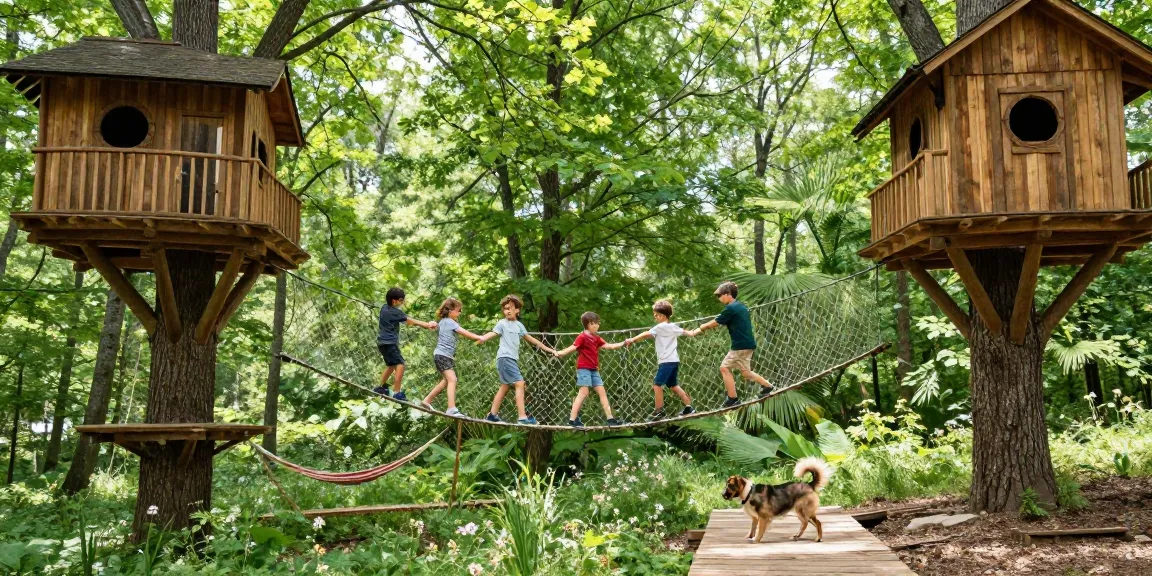
Understanding the Essentials of Rope Bridge Design
Rope bridges have been a vital part of pedestrian and infrastructural perspectives, especially in rural and remote areas. These bridges provide essential crossings over water bodies, ravines, or uneven terrain while offering a unique aesthetic that complements natural surroundings. The Rope Bridge design combines engineering principles with creative flair, resulting in structures that are not only functional but also visually appealing. Understanding the fundamentals of rope bridge design is crucial for designers, engineers, and enthusiasts alike, as it plays a significant role in usability, safety, and longevity.
What is Rope Bridge Design?
Rope bridge design refers to the methodology and principles involved in creating bridges that utilise ropes for support and stability. Unlike conventional bridges that often rely on solid materials such as steel or concrete, rope bridges function on a principle of tension and balance. They can be found in various forms, including suspension bridges and fixed-beam designs, each serving different purposes based on their environment and intended use.
The Benefits of Rope Bridges in Outdoor Spaces
Rope bridges offer numerous advantages that make them particularly appealing for outdoor applications:
- Environmental Integration: Their lightweight nature allows them to blend seamlessly into natural landscapes without disrupting wildlife or local ecosystems.
- Cost-Effectiveness: Rope bridges can be less expensive to construct than traditional bridges, particularly in remote areas where heavy machinery is not feasible.
- Versatility: They can span various obstacles including rivers, ditches, and steep cliffs, making them suitable for diverse terrains.
- Community Engagement: Building rope bridges often involves local communities, fostering collaboration and pride in shared spaces.
Key Safety Considerations in Rope Bridge Design
While rope bridges can be a fantastic addition to outdoor spaces, safety must always be the priority. Key considerations include:
- Load Capacity: Understanding the maximum load the bridge can safely support is essential for design integrity.
- Material Strength: Choosing high-quality, durable materials can significantly enhance safety and longevity.
- Regular Maintenance: Routine inspections and maintenance are necessary to identify wear and tear, ensuring that the bridge remains safe for use.
Types of Rope Bridges: Comparing Designs
Suspended vs Fixed-Beam Rope Bridges
When considering the type of rope bridge to design, it’s crucial to understand the differences between suspended and fixed-beam bridges:
- Suspended Rope Bridges: These are typically made of nylon or other strong materials and are anchored on either side to trees or poles. They rely on cables that hang freely between the supports, allowing for some flexibility which can be beneficial in areas with significant foot traffic.
- Fixed-Beam Rope Bridges: These structures have a more stable platform, often supported by beams with ropes running parallel to the deck. They are usually used where a firm structure is necessary, such as for heavier loads or more permanent installations.
Choosing Materials for Durability and Aesthetics
The choice of materials for rope bridge construction can significantly affect both durability and aesthetic appeal. Common materials include:
- Ropes: Synthetic ropes like polyester or nylon are preferred for their strength and resistance to environmental factors.
- Wood: Treated timber can provide a natural look and durability, making it a popular choice for decking and handrails.
- Metal Components: Stainless steel fittings and cables can enhance the structural integrity and provide a sleek finish.
Common Designs and their Applications
Different designs cater to various needs and environments. Some common styles include:
- Garden Rope Bridges: Perfect for adding charm to gardens, these bridges can connect different garden areas or span small water features.
- Adventure Parks: Many adventure parks incorporate rope bridges in their obstacle courses, providing thrill-seekers with unique challenges.
- Pedestrian Crossings: Rope bridges over rivers or ravines allow for safe transport while enjoying scenic views.
Planning Your Rope Bridge Project
Steps for Effective Rope Bridge Design Planning
Planning is critical to ensure the success of a rope bridge project. The following steps should be followed:
- Define the Purpose: Determine the primary function of the bridge: is it for recreational use, necessity for transportation, or aesthetic enhancement?
- Select a Location: Choosing an appropriate site helps in evaluating natural obstacles and environmental impact.
- Design Specifications: Develop detailed design drawings considering all necessary aspects, including safety features and load requirements.
Site Assessment: What to Look For
A thorough site assessment is vital in ensuring the safety and feasibility of the project. Key considerations include:
- Topography: Understanding the slope and stability of the land can prevent structural issues.
- Soil Quality: Assessing the soil can help in determining how well the bridge can be anchored.
- Weather Conditions: Knowing local weather patterns can influence the choice of materials and design stability.
Cost Estimates and Budgeting
Your budget will largely determine the scope of your project. Costs can vary widely based on design complexity, materials, and labour. A cost breakdown should include:
- Materials (rope, wood, metal components)
- Tools and equipment needed for construction
- Professional fees, if hiring engineers or contractors
- Maintenance plans and ongoing costs
Building Your Rope Bridge: Best Practices
Gathering Materials and Tools for Construction
Before commencing construction, ensure you have all the necessary materials and tools. This includes:
- Ropes and cables: Ensure they are rated for the load they will carry.
- Wood or metal for the platform: Choose materials that will withstand outdoor conditions.
- Tools: Have tools ready for cutting, fastening, and assembling your bridge.
Step-by-Step Guide to Building a Rope Bridge
Here is a concise guide to constructing your rope bridge:
- Mark the Area: Clearly outline where the bridge will be installed.
- Install Support Structures: Erect the posts or trees that will support the bridge.
- Run the Cables: Attach the cables between the supports, ensuring they are tight and secure.
- Build the Deck: Construct the walking surface using your chosen materials.
- Test Stability: Before allowing foot traffic, conduct thorough stability tests.
Community Involvement and Collaboration
Involving your community can enhance the project, providing opportunities for collaboration. Engage local volunteers or groups by offering workshops, which not only fosters skill sharing but also strengthens community bonds over a shared goal.
Future Trends in Rope Bridge Design
Innovative Designs for Eco-Friendly Construction
The future of rope bridge design is gravitating towards sustainability. Innovations include:
- Recyclable Materials: Utilising biodegradable or recyclable materials reduces environmental impact.
- Energy-Efficient Construction: Implementing solar panels or green technologies can make bridges self-sustaining.
Smart Technology Integration in Bridge Design
As technology advances, integrating smart features into rope bridges enhances functionality. Examples include:
- Monitoring Systems: Using sensors to monitor structural integrity in real-time.
- LED Lighting: Incorporating energy-efficient lighting for safety and aesthetics during night-time use.
Predictions for Rope Bridge Design Developments in 2026
Looking ahead to 2026, we can anticipate further advances in materials and design processes that make rope bridges more accessible and versatile. Innovations in materials science may lead to lighter and stronger ropes, while improved design software will allow for more intricate and customised bridge designs.
How to Maintain Your Rope Bridge for Longevity?
Proper maintenance is essential for the longevity of your rope bridge. Regular inspections should include checking for:
- Wear and tear on materials
- Loose fittings or cables
- Environmental impacts on structural components
How Much Does a Rope Bridge Cost?
The cost of a rope bridge can vary considerably based on size, materials, and location. A basic rope bridge might cost a few hundred pounds, while larger, more complex designs can run into thousands. It's important to plan your budget accordingly and consider all potential expenses.
Tips for DIY Rope Bridge Projects?
When considering a DIY rope bridge project, remember these tips:
- Start Small: If it’s your first project, consider building a small bridge to gain experience.
- Research Designs: Look into various designs and materials to find what best suits your needs.
- Consult Experts: Don't hesitate to ask for advice from those who have built rope bridges before.