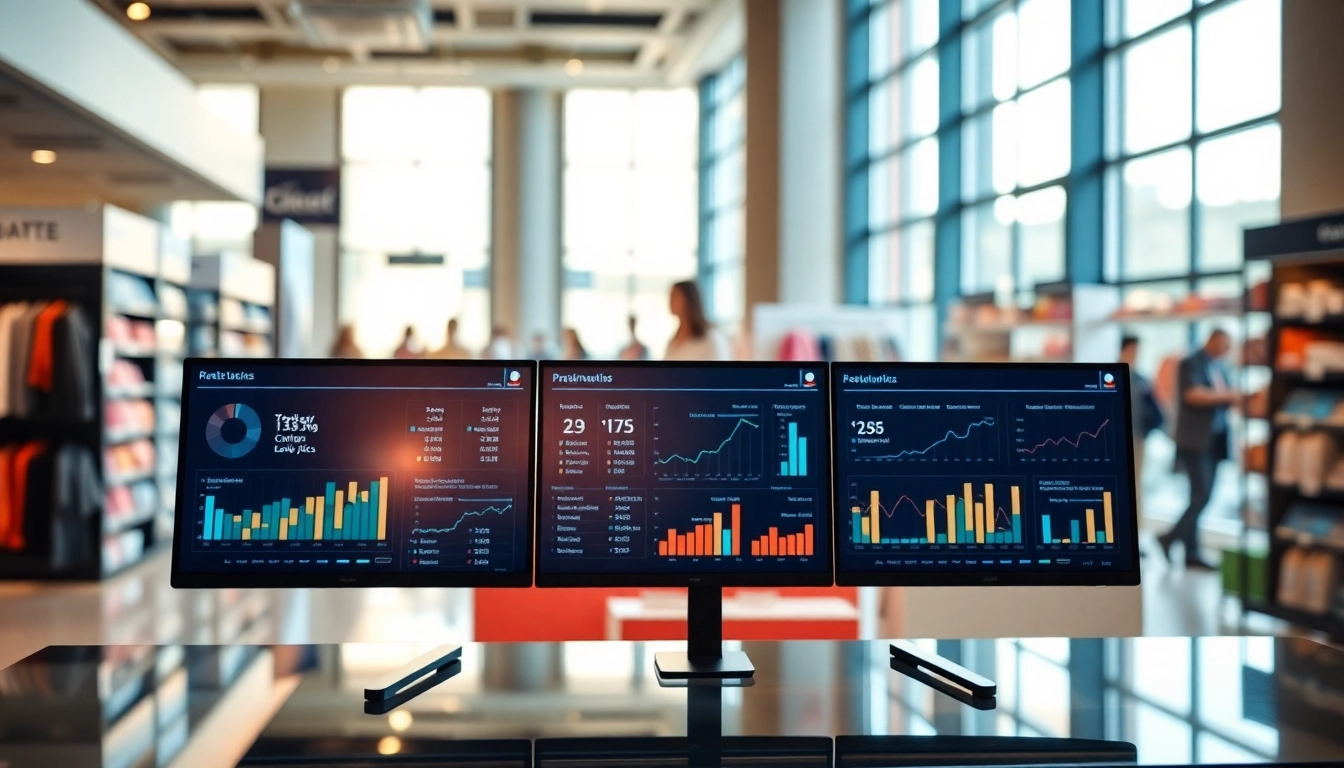
Understanding Retail Video Analytics
Definition of Retail Video Analytics
Retail video analytics refers to the utilization of advanced video surveillance systems to gather, analyze, and interpret data on customer behaviors, foot traffic, and various aspects of store operations. By integrating various technologies like AI and machine learning, businesses can transform regular video feeds into insightful data resources. This approach enables retailers to uncover hidden patterns and trends that can significantly impact their operational strategies.
How Retail Video Analytics Works
Retail video analytics operates through a series of complex processes. Initially, video cameras capture real-time footage of in-store activities. This footage is then processed using algorithms that identify and track customer movements, detect dwell times at particular locations, and analyze interactions with products and staff. By employing machine learning, these systems can learn from past data, continuously refining their analysis to become more accurate over time. The real-time data is presented through dashboards and reports, allowing businesses to make informed decisions quickly.
Importance of Retail Video Analytics for Businesses
The adoption of retail video analytics is becoming increasingly essential in today’s competitive landscape. This technology not only enhances customer understanding but also aids in strategic decision-making. Retailers can optimize store layouts, reduce waiting times, and enhance product displays based on analytical insights derived from actual customer behavior. Moreover, retail video analytics plays a crucial role in loss prevention by monitoring suspicious activities, effectively protecting both assets and revenue.
Key Benefits of Implementing Retail Video Analytics
Enhancing Customer Experience
One of the most immediate benefits of retail video analytics is the ability to enhance customer experience significantly. By analyzing patterns such as peak shopping times, dwell times in specific areas, and popular products, retailers can tailor the in-store environment to better cater to customer needs. For instance, if analytics reveal that customers frequently pause at a certain display, businesses can ensure that stock levels are adequate and that staff are available to assist. Additionally, this data can help identify customer pain points, enabling businesses to make necessary adjustments to improve satisfaction.
Improving Operational Efficiency
Operational efficiency is another critical advantage provided by retail video analytics. By understanding how customers interact with the store layout and products, businesses can streamline processes such as restocking, staffing, and customer service. Data derived from analytics can reveal if specific areas are overstaffed or understaffed, guiding optimal staff allocation to times when foot traffic is at its highest. This proactive approach not only enhances the overall efficiency of store operations but also leads to cost reductions.
Boosting Sales Through Insights
Incorporating retail video analytics can serve as a catalyst for boosting sales. By utilizing insights derived from customer behavior, retailers can make data-driven decisions regarding inventory management, promotional strategies, and even product placements. Heat maps, for instance, can highlight which areas generate the most foot traffic, guiding retailers to position high-margin products strategically in those spots. This targeted approach can result in increased sales and higher profit margins.
Best Practices for Using Retail Video Analytics
Choosing the Right Technology and Partners
Selecting the appropriate technology and partners is crucial when implementing retail video analytics. Businesses should consider various factors including camera quality, data processing capabilities, and ease of integration with existing systems. Moreover, partnering with experienced analytics providers can ensure that the chosen solutions align with business objectives and deliver actionable insights.
Integrating Analytics into Daily Operations
Integrating retail video analytics into daily operations should be approached systematically. Businesses can begin by establishing clear objectives that they want to achieve through analytics, such as reducing checkout times or increasing customer satisfaction scores. Regularly reviewing analytics reports in team meetings can promote a culture of data-driven decision-making where staff regularly utilize insights to enhance customer interactions.
Training Staff on Video Analytics
Staff training is critical for successful adoption of retail video analytics. Employees should understand how to interpret analytic data and apply insights to their roles. Providing comprehensive training sessions and resources ensures that all staff members become proficient in identifying trends and reacting accordingly. This knowledge empowers teams to make informed choices that drive customer satisfaction and increase operational efficiency.
Common Challenges in Retail Video Analytics
Data Privacy and Security Concerns
As with any technology that involves data collection, retail video analytics presents certain privacy and security concerns. Retailers must ensure compliance with data protection regulations while also maintaining customer trust by anonymizing video footage and gathering only essential information. Implementing robust security measures to protect data is essential, as the misuse of visual data can lead to legal issues and damage to brand reputation.
Technical Integration Issues
Another common challenge retailers face is technical integration issues. Integrating retail video analytics into existing systems can pose difficulties, particularly if legacy technology is in place. Retailers should prepare for potential compatibility issues and be proactive in choosing scalable solutions that can adapt as technology evolves. Collaborating closely with IT teams during the implementation phase can mitigate these challenges.
Interpreting and Acting on Data Insights
While data insights can provide immense value, interpreting them accurately and taking appropriate actions is vital yet can be challenging. Retailers may struggle with deciphering complex data sets or understanding the significance of specific metrics. Establishing clear guidelines on key performance indicators (KPIs) and ensuring that analytics tools present data in an easily consumable format can help overcome this challenge.
Future Trends in Retail Video Analytics
AI and Machine Learning Advancements
The future of retail video analytics will likely be dominated by advancements in AI and machine learning. These technologies are expected to enhance analytics capabilities further, allowing for more nuanced insights into customer behavior. Predictive analytics, powered by AI, can provide retailers with foresight into customer trends, enabling them to stay ahead of the competition and better meet consumer demands.
Integration with Other Business Intelligence Tools
The integration of retail video analytics with other business intelligence tools will become more common in the future. By combining insights from video analytics with sales data, inventory management systems, and customer relationship management (CRM) tools, retailers can foster a more comprehensive understanding of their operations. This integrated approach can facilitate more strategic decision-making, enhancing overall business performance.
Shifts in Consumer Behavior Analytics
As consumer behavior continues to evolve, so too must retail video analytics. Staying abreast of changes in customer preferences, shopping habits, and technology use will be crucial. Retailers will need to adapt their strategies to leverage insights effectively and respond to emerging consumer trends, ensuring they remain relevant in a fast-changing marketplace.
Frequently Asked Questions
What are retail video analytics?
Retail video analytics involves using video surveillance systems to collect data on customer behavior, foot traffic, and store operations to gain insights and improve processes.
How can retail video analytics improve customer experience?
By analyzing shopper behavior, retailers can enhance store layouts, optimize staff allocation, and boost inventory management, thereby increasing overall customer satisfaction.
Are there privacy concerns with retail video analytics?
Yes, privacy concerns exist; retailers must ensure compliance with regulations and anonymize data to safeguard customer identities while using video analytics.
What technologies support retail video analytics?
Retail video analytics technologies include AI, machine learning, and integrated camera systems that effectively process and analyze video data, providing actionable insights.
How do I integrate retail video analytics into my business?
Begin by assessing current systems and identifying compatible technology. Invest in training staff to utilize analytics effectively for informed decision-making within the business.