Understanding the Benefits of Giant Foam Blocks
Encouraging Creativity and Imagination
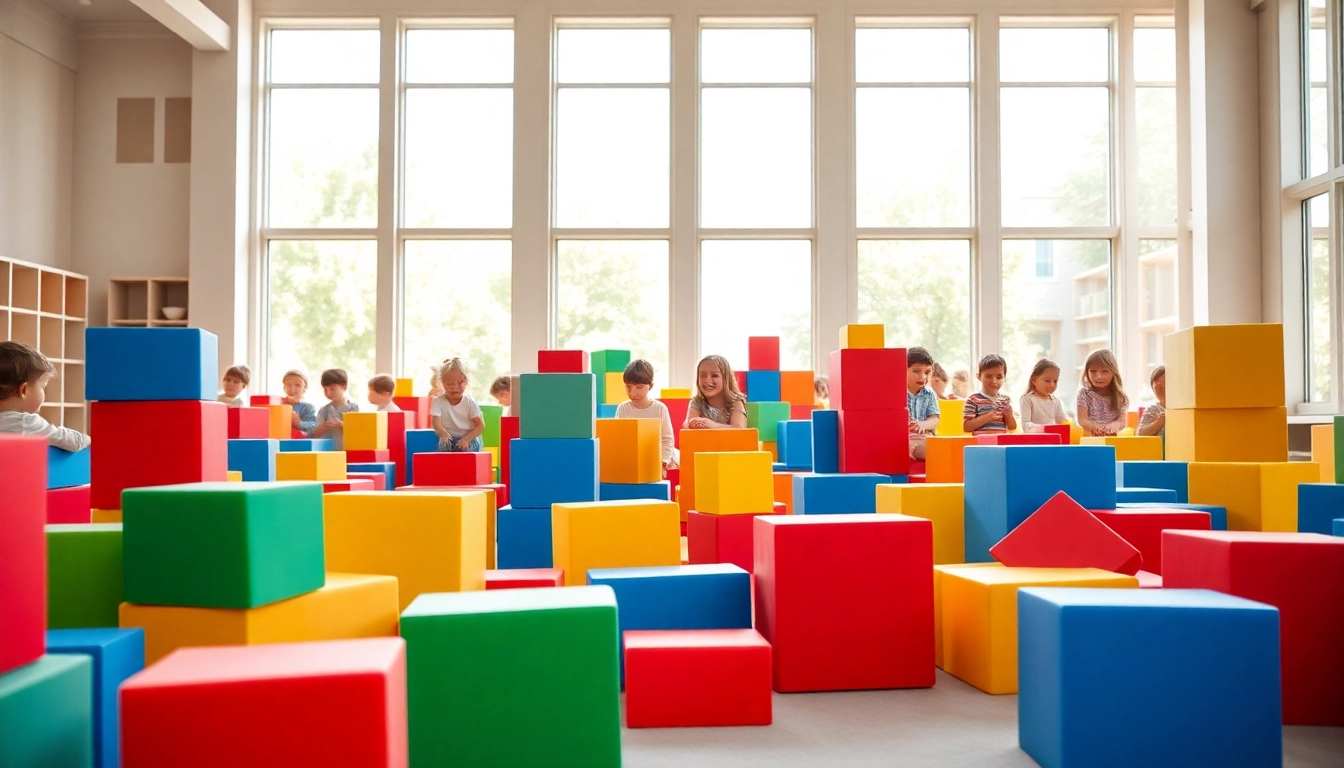
Giant foam blocks serve as an exceptional medium for children's creativity. Unlike conventional toys, the pliable nature and varied shapes of foam blocks invite children to construct, deconstruct, and reimagine their creations. This dynamic playing fosters a sense of independence as children sculpt their environments, enhancing their ability to think outside the proverbial box. By integrating various colors and sizes, these blocks allow for endless possibilities, transforming a simple playdate into an inspiring adventure. If you're interested in discovering how foam blocks can innovate playtime, find out more about their versatility.
Developing Motor Skills through Play
Manipulating large foam blocks is not only fun; it's essential for improving motor skills. As children lift, stack, and balance these blocks, they engage in gross motor activities which enhance strength, coordination, and spatial awareness. Kids learn to judge distances and force as they experiment with how high they can stack their creations without toppling them over. Additionally, building requires fine motor skills, especially when it comes to placing smaller elements or adding intricate designs. This multifaceted approach to play nurtures both physical and cognitive growth, encouraging a comprehensive developmental experience.
Promoting Teamwork and Social Interaction
Foam blocks provide an excellent platform for fostering teamwork among children. When engaged in group activities, kids learn essential social skills such as sharing, collaborating, and communication. For instance, when tasked with building a shared structure, they must negotiate roles, share ideas, and support one another, facilitating friendship and community building. Such collaborative play nurtures an understanding of group dynamics and teaches valuable conflict-resolution skills, preparing children for a socially integrated future.
Choosing the Right Foam Block Sets
Sizes and Types of Foam Blocks
When selecting foam block sets, consider the sizes and types that best suit your child's age and developmental stage. Large blocks are easier for toddlers to manipulate, fostering early construction skills, while smaller, detailed blocks cater to older children who may wish to create more intricate designs. Additionally, opting for various shapes—like triangles, squares, and more unique forms—encourages imaginative play and challenges children to think critically about their structures and designs.
Safety Features to Consider
Safety is paramount when it comes to children's toys. Ensure that the foam blocks you choose are made from non-toxic, durable materials that can withstand rigorous play. Look for blocks with rounded edges to minimize the risk of injury during playtime. Additionally, you should check for compliance with safety standards. Certified products will often indicate their adherence to safety protocols, giving parents peace of mind regarding their children's play.
Color and Design Options for Fun Play
Color and design play a vital role in engaging children and sparking their imaginations. Vibrantly colored foam blocks can captivate a child’s attention, encouraging them to interact more. Blocks that feature designs or textures can stimulate sensory exploration, making playtime more enjoyable and enriching. Moreover, themed sets that align with popular stories or interests can further enhance the imaginative play experience, leading children into fantastic worlds where their bricks are tools for story development.
Creative Play Ideas with Foam Building Blocks
Fun Indoor Games and Challenges
Foam blocks offer limitless possibilities for indoor games and challenges. Create obstacle courses where children must navigate through structures, or set time limits for building challenges to increase excitement and engagement. Incorporate educational elements, such as building a specific shape or structure that correlates with a lesson plan about geometry or architecture. These types of challenges can transform unstructured play into purposeful learning experiences while keeping children entertained for hours.
Themed Building Projects for Kids
Themed projects can enhance the play experience even further. Create challenges centered around popular culture, such as building a spaceship from a favorite movie or designing a castle fit for a princess. These themed activities allow children not only to engage in creative storytelling but also to practice problem-solving skills as they consider the components necessary to complete their projects. Encouraging kids to share their creations fosters community, boosting collective enthusiasm and learning.
Incorporating Foam Blocks into Learning Activities
Foam blocks are perfect tools for integrating play and learning in the classroom or at home. Use them to teach foundational math skills through hands-on experiences—such as counting, shape recognition, and simple addition and subtraction. Additionally, they can be instrumental in learning about physics concepts like balance and gravity as children experiment with stacking techniques and their effects. By blending education with play, children will be more inclined to engage and absorb knowledge effectively.
Maintaining and Caring for Foam Building Blocks
Cleaning and Sanitizing Foam Blocks
Maintaining the cleanliness of foam blocks is crucial, especially in settings involving multiple children. Regular cleaning routines should include wiping down blocks with a damp cloth and mild soap. Sanitizing can involve using a non-toxic disinfectant suitable for foam, ensuring that all germs and contaminants are eliminated without damaging the material. Regular maintenance not only promotes hygiene but extends the life of the blocks, allowing for years of fun.
Storing Foam Blocks Efficiently
Proper storage of foam blocks is essential for maintaining order in play areas. Consider using baskets, bins, or shelving specifically designed for easy access yet compact enough to fit in small spaces. Keeping blocks organized allows children to independently return them to their designated areas, thus encouraging responsibility and respect for play equipment. Marking storage areas with pictures or labels can facilitate better organization and help develop children’s categorization skills.
Repairing or Replacing Damaged Blocks
Over time, wear and tear are inevitable. To ensure prolonged use, regularly inspect foam blocks for damage such as tears or dents. If a block becomes damaged, it's advisable to replace it rather than risk injury during play. In some cases, small repairs can be made with non-toxic adhesive to prolong the life of the blocks. Keeping spare blocks on hand can help maintain uninterrupted play, ensuring that children have everything they need for their imaginative journeys.
FAQs About Giant Foam Building Blocks
What age group are foam blocks suitable for?
Foam blocks are generally suitable for children aged 1 and up. The size and softness make them particularly safe for toddlers and preschoolers, while older children also enjoy creative challenges with them.
How can I ensure the safety of foam blocks for children?
To ensure safety, choose foam blocks made from non-toxic materials, check for rounded edges, and verify compliance with safety standards. Regularly inspect blocks for damage as well.
Are giant foam blocks easy to clean and store?
Yes, foam blocks are easy to clean with mild soap and water. For storage, they can be organized in bins or shelves, promoting easy access while keeping play areas neat.
Can foam blocks be used outdoors?
While foam blocks can be used outdoors, it's essential to supervise during play. Ensure they are stored indoors to prevent deterioration from weather elements.
What activities can kids do with foam building blocks?
Kids can engage in various activities such as building, role-playing, creativity challenges, education games, and collaborative projects, fostering imagination and social skills.