Introduction to Gardening Basics
What is Gardening?
Gardening is much more than the simple act of planting and watering; it encompasses a wide array of practices for growing and caring for plants for various purposes. This can include the cultivation of fruits, vegetables, flowers, and herbs, all within a designated space, such as a backyard garden, a community garden, or even indoor planters. The essence of gardening lies in fostering a connection with nature, enhancing the local ecosystem, and enabling individuals to enjoy the fruits of their labor.
Benefits of Gardening
Engaging in gardening offers numerous benefits that extend beyond the physical act itself. Some notable advantages include:
- Physical Health: Gardening can improve physical health by providing exercise, reducing stress, and promoting a healthy diet through home-grown produce.
- Mental Well-being: Spending time in nature has been shown to boost mood, reduce anxiety, and enhance overall mental health.
- Environmental Impact: Gardens contribute to biodiversity, reduce urban heat, and help purify air and water.
- Social Connections: Community gardens foster social interactions and strengthen community bonds among participants.
Common Gardening Myths
Despite its popularity, gardening is often surrounded by misconceptions. Some common myths include:
- Myth 1: Gardening is only for the skilled and experienced. Reality: Anyone can learn to garden with patience and resources.
- Myth 2: Plants need perfect conditions to thrive. Reality: Many plants are incredibly resilient and can adapt to less-than-perfect conditions.
- Myth 3: Gardening requires a lot of space. Reality: Container gardening allows for successful gardening in limited space.
Choosing the Right Plants for Gardening
Understanding Plant Types
Successfully selecting plants begins with understanding the different types available. Broadly, plants can be categorized into:
- Annuals: These complete their life cycle in one growing season and need to be replanted each year.
- Perennials: They live for multiple seasons, returning each year without needing replanting.
- Biennials: These take two years to complete their life cycle. They typically grow leaves the first year and flowers in the second.
Seasonal Planting Strategies
Timing is crucial in gardening. One effective strategy is to plant based on seasons, accounting for your local climate. For example:
- Spring: This is the prime time for planting cool-season crops like lettuce and peas.
- Summer: Warm-season crops like tomatoes and peppers thrive during these months.
- Fall: This season is ideal for planting perennials and preparing gardens for winter.
Companion Planting Techniques
Companion planting involves growing certain plants together to enhance growth and deter pests. For instance:
- Tomatoes and Basil: This combination enhances the flavor of tomatoes while basil can repel pests.
- Carrots and Onions: Planting them together can help deter carrot flies and onion maggots.
Essential Gardening Tools and Equipment
Basic Tools Every Gardener Needs
A successful gardening journey begins with the right tools. Essential items include:
- Hand trowel: For digging holes and planting.
- Pruning shears: Necessary for maintaining plant health through proper trimming.
- Garden rake: Essential for leveling soil and removing debris.
Advanced Gardening Equipment
As you progress in gardening, advanced tools can facilitate greater efficiency and productivity:
- Tiller: Useful for preparing larger areas of soil quickly.
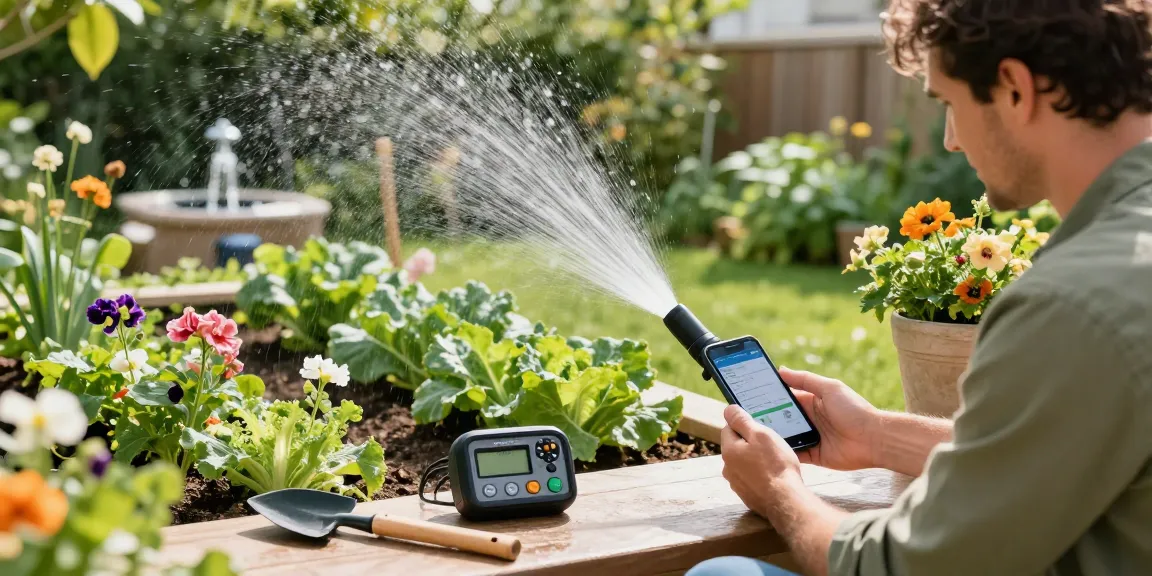
- Soil moisture meter: Helps monitor soil hydration levels accurately.
- Garden cart: Makes transporting tools and plants easier.
Eco-Friendly Gardening Tools
Using eco-friendly gardening tools is beneficial for both the environment and your plants. Consider tools made from sustainable materials, such as:
- Bamboo tools: Durable and biodegradable.
- Compostable gloves: Reduce plastic waste while gardening.
Gardening Techniques and Practices
Soil Preparation and Fertilization
The foundation of a thriving garden lies in its soil. Proper preparation involves:
- Testing soil: Understanding pH and nutrient balance is crucial for plant health.
- Add organic matter: Compost and well-rotted manure increase nutrient availability.
- Mulching: Adding a layer of organic material on the surface of the soil helps retain moisture and suppress weeds.
Watering Techniques for Healthy Plants
Watering plays a vital role in plant health, and employing proper techniques is essential:
- Deep watering: Encourages deep root growth, making plants more drought-resistant.
- Drip irrigation: A more efficient watering technique that reduces water waste.
- Water early or late: Early morning or late evening watering reduces evaporation and allows for better absorption.
Pest Management and Organic Solutions
Maintaining a healthy garden often requires pest management. Eco-friendly methods can include:
- Beneficial insects: Introduce ladybugs or lacewings to control aphid populations.
- Organic sprays: Homemade sprays using soap or neem oil can deter pests safely.
- Avoiding monoculture: Diversifying plant types helps minimize pest outbreaks.
Creating a Sustainable Gardening Environment
Composting Basics for Garden Health
Composting is a sustainable practice that enriches soil health. Create a compost pile with:
- Green materials: Nitrogen-rich items like fruit scraps and grass clippings.
- Brown materials: Carbon-rich components such as dried leaves and cardboard.
- Moisture: Maintain moisture to facilitate decomposition.
Water Conservation Strategies
Conserving water in the garden can be achieved through various methods, including:
- Rainwater harvesting: Collecting and using rainwater can significantly reduce dependency on municipal sources.
- Drip irrigation systems: These systems target water delivery directly to roots, minimizing evaporation.
Benefits of Native Plants in Gardening
Incorporating native plants in your garden can yield multiple benefits, such as:
- Adaptability: Native plants are usually well-suited to local climates and soils.
- Biodiversity boost: They support local wildlife, including pollinators like bees and butterflies.
- Low maintenance: Native plants often require less water and are more disease-resistant.
FAQs about Gardening
1. What is the best time to start gardening?
Spring is generally ideal for starting a garden, but crucial timings depend on your climate and the types of plants you wish to grow.
2. How can I improve my soil quality?
Improving soil quality involves adding organic matter like compost, which enriches nutrients and enhances soil texture for better plant growth.
3. What are companion plants in gardening?
Companion plants are species that benefit from being grown together, enhancing growth, minimizing pest issues, and improving crop yields.
4. How often should I water my garden?
A good rule of thumb is to provide about one inch of water per week, but frequency may vary based on plant types, weather, and soil conditions.
5. What are some natural pest control methods?
Natural pest control methods can include introducing beneficial insects, using homemade insecticidal sprays, and practicing companion planting.
Gardening not only provides delicious fruits and beautiful blooms but also instills a sense of accomplishment. For those interested in cultivating their own green space and enjoying the many benefits of Gardening, a wealth of resources and communities are available to support beginning gardeners.