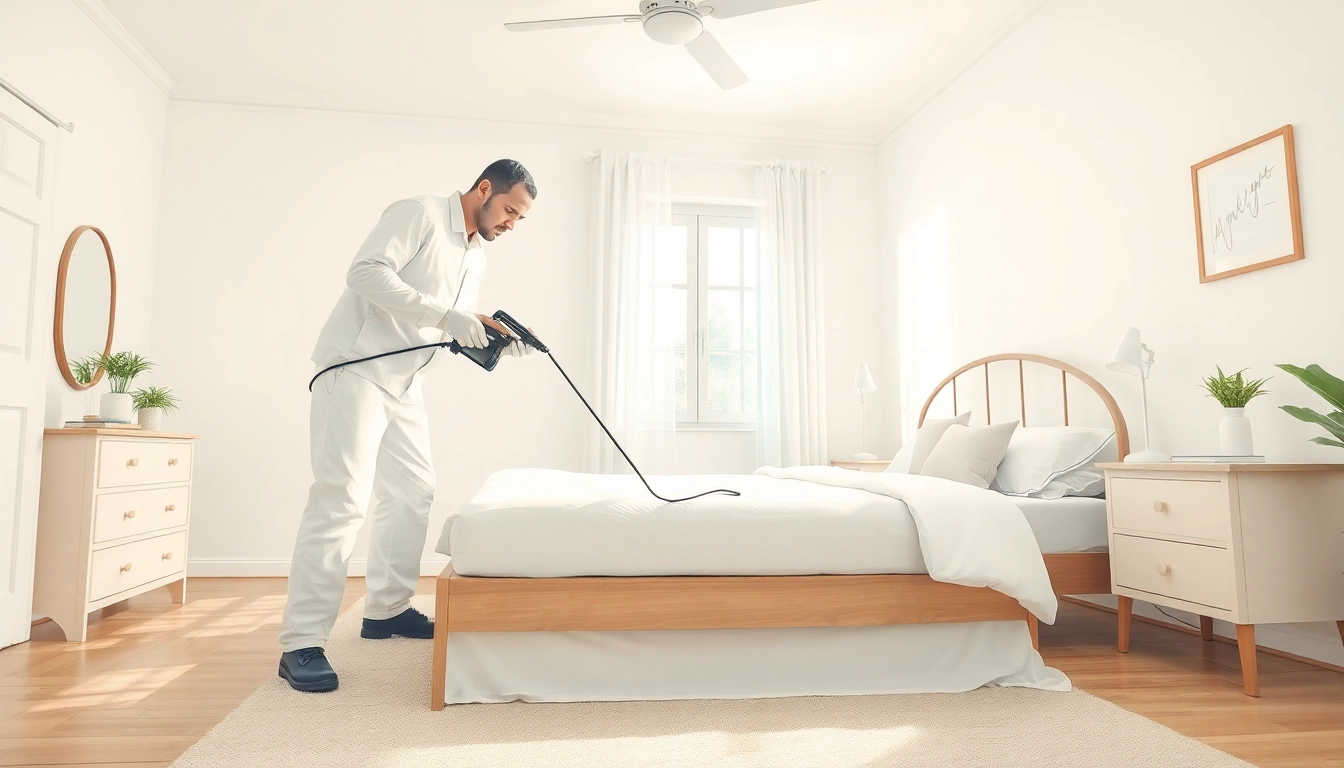
Understanding Bed Bugs and Their Habits
What Are Bed Bugs?
Bed bugs, scientifically known as Cimex lectularius, are small, reddish-brown insects that feed on the blood of humans and other warm-blooded hosts. Typically about the size of an apple seed, they are nocturnal creatures that thrive in various environments, including residences, hotels, and public transport. Their ability to easily hide in cracks and crevices makes them particularly difficult to detect and eradicate. Understanding their biology and behavior is crucial for effective bed bug treatment.
Signs of Infestation
Recognizing the signs of a bed bug infestation is essential for prompt action. Common indicators include:
- Bites: Small, itchy welts on your skin, often arranged in a line or cluster.
- Fecal stains: Dark spots on bedding or nearby surfaces, which are dried droppings from bed bugs.
- Eggs: Tiny, white objects that may be found in cracks of furniture or along seams of mattresses.
- Molt skins: Shed exoskeletons left behind after nymphs (young bed bugs) mature.
- Unpleasant odor: A musty scent may be noticeable in heavily infested areas.
Life Cycle of Bed Bugs
Understanding the life cycle of bed bugs is critical for effective bed bug treatment, as they go through several stages:
- Eggs: Females can lay up to 500 eggs in their lifetime, which hatch within about 7 to 10 days, depending on conditions.
- Nymphs: Young bed bugs emerge as nymphs and must feed on blood to mature. They can molt up to five times before becoming adults.
- Adults: Adult bed bugs can live for several months to over a year without feeding, allowing them to survive in various conditions.
Essential Bed Bug Treatment Methods
Insecticides and Pesticides
Insecticides specifically designed to target bed bugs can be an effective solution. These chemicals disrupt the nervous system of bed bugs, leading to their demise. It's essential to read labels and follow safety guidelines while using these products. Often, a combination of different insecticides is necessary for efficacy as bed bugs can develop resistance to certain chemicals over time. Always consult local regulations and guidelines for the safest options.
Heat Treatments
Heat treatments involve raising the temperature in an infested area to a level lethal to bed bugs (typically above 120°F). This method effectively penetrates difficult spaces where insecticides may not reach. Professional pest control services often utilize specialized equipment to achieve and maintain these temperatures. Homeowners can also take measures such as steam cleaning and using portable heaters in small spaces as an alternative.
Natural Remedies for Bed Bugs
For those preferring non-chemical methods, natural remedies can be considered, although they may not be as effective as professional treatments. Common options include:
- Diatomaceous Earth: This powdery substance is a natural insecticide that dehydrates bed bugs upon contact.
- Essential Oils: Oils such as tea tree, lavender, and peppermint are thought to repel bed bugs when applied correctly.
- Homemade Traps: Simple traps can be made using common household items like soapy water or dish soap in a shallow bowl.
Preparing Your Home for Bed Bug Treatment
Clearing Infested Areas
Preparation is key in the fight against bed bugs. Homeowners should begin by decluttering infested areas. Remove items like clothes, bedding, and toys that can harbor bed bugs, ensuring to wash everything in hot water as a preliminary step. Vacuuming carpets, furniture, and mattress seams will help remove visible bugs and their eggs.
Protecting Personal Belongings
Before a professional treatment, it is crucial to safeguard personal belongings. Use sealable plastic bags for clothing and other items to prevent the spread of bed bugs. Additionally, move furniture away from walls to allow thorough treatment access by pest control professionals.
Creating a Treatment Plan
Developing a comprehensive treatment plan should involve your chosen pest control service. This plan encompasses timelines, types of treatments, and any preparation steps that need to be taken. Having an organized approach will enhance overall effectiveness and ensure no step is overlooked.
Post-Treatment Care and Prevention
Tips for Monitoring Residual Activity
After treatment, it's vital to remain vigilant. Regularly inspect areas where bed bugs may hide and continue to monitor bed linen, mattresses, and furniture for any signs of activity. Utilizing bed bug detectors can help you maintain an active surveillance posture.
Regular Home Inspections
Consider conducting routine inspections, especially after traveling or purchasing used furniture. Inspect hotels for potential bed bugs and report any findings immediately. Regular checks can help catch a resurgence before it escalates into a significant problem.
Preventative Measures for Future Infestations
Preventive measures can reduce the risk of future infestations. These may include:
- Bed Bug Encasements: Specially designed mattress and box spring encasements can protect against bed bugs and trap existing bugs.
- Travel Precautions: When traveling, inspect hotel rooms and keep luggage elevated and away from beds.
- Regular Cleaning: Frequently vacuuming your home and washing bedding can help catch anything before it becomes an infestation.
FAQs About Bed Bug Treatment
How do you get rid of bed bugs quickly?
Quickly getting rid of bed bugs involves thoroughly vacuuming, washing infested laundry in hot water, and employing a combination of insecticides and heat treatments.
What should I do after treatment?
After treatment, monitor your home for any signs of bed bug activity, inspect for remnants, and follow any specific advice given by your pest control provider.
Are DIY treatments effective?
DIY treatments might provide temporary relief but often lack the effectiveness of professional options. They are best used as preventive measures, not solutions for existing infestations.
What are the costs of professional treatments?
The cost of professional bed bug treatment varies widely based on the extent of the infestation and the methods used. Prices can range from hundreds to thousands of dollars, depending on the severity and required treatment steps.
How can I prevent bed bugs from returning?
To prevent bed bugs from returning, maintain a clean home, regularly check for signs of new infestations, and be cautious when acquiring secondhand items. Consider professional inspections periodically as an added precaution.
For further information and expert assistance in your situation, don't hesitate to consult a specialist for effective bed bug treatment. They can provide tailored strategies that meet your needs and ensure a successful resolution of any bed bug problems.