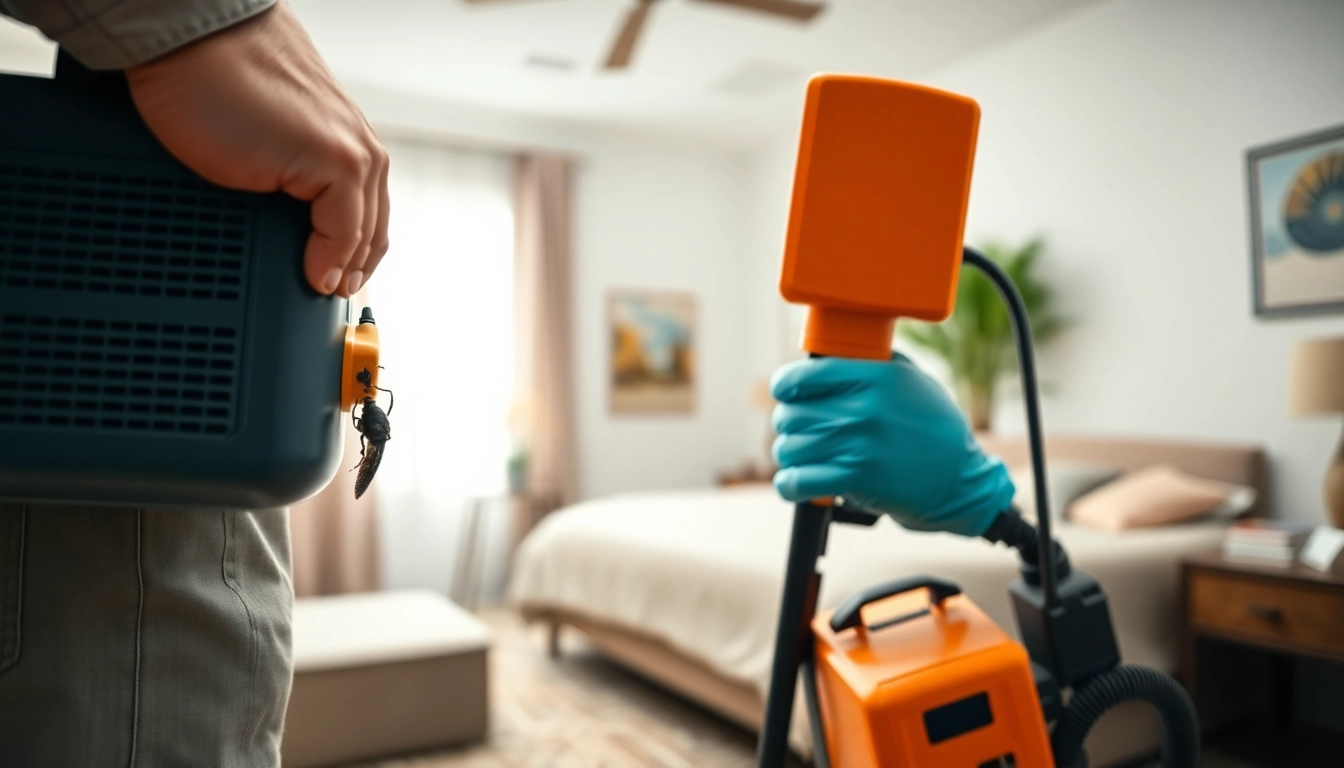
Understanding Bed Bug Heat Treatment
What is Bed Bug Heat Treatment?
Bed bug heat treatment is an innovative and effective method for eliminating bed bug infestations. It involves raising the temperature of an affected area, typically to around 120°F to 140°F (49°C to 60°C), rendering it lethal to bed bugs at all life stages, including eggs. During this process, specialized heaters and fans are employed to evenly distribute the heat throughout the infested space, ensuring even the most hidden pests are eradicated. The science behind this method is rooted in the fact that bed bugs cannot survive at these elevated temperatures, making it a non-toxic and environmentally friendly alternative to chemical pesticides. For more details, you can explore information on bed bug heat treatment.
How Does Bed Bug Heat Treatment Work?
The process begins with a thorough inspection of the premises to assess the severity of the infestation and to identify potential hiding spots. Once the assessment is completed, the treatment area is prepared. Heaters are strategically placed around the room, and the air temperature is gradually elevated. This temperature is maintained for a specific duration, usually 4 to 6 hours, which depends on the extent of the infestation and the material of the items within the space. Maintaining a consistent temperature is crucial; fluctuation can lead to incomplete extermination. After the treatment period, the room is allowed to cool down before re-entry.
Benefits of Bed Bug Heat Treatment
Heat treatment offers numerous advantages over traditional chemical treatments. Firstly, it is highly effective, capable of killing all life stages of bed bugs, including their eggs. This eliminates the possibility of a resurgence of the infestation. Secondly, it is a chemical-free approach—ideal for families with children and pets. Additionally, heat treatments can typically be completed in a single day, reducing the duration of inconvenience for residents. Unlike chemical treatments, which may require multiple applications and lengthy processes, heat treatment provides a quick and relatively low-disruption solution.
Preparation for Bed Bug Heat Treatment
Steps to Prepare Your Home
Preparation is critical for a successful bed bug heat treatment. Start by decluttering the room, as this allows better heat distribution and access to all infested areas. Remove any items that could obstruct the heaters, such as furniture or boxed items. Furthermore, ensure that everything in the room can withstand high temperatures. Remove any heat-sensitive items like candles, electronic devices, and plants as a precautionary measure. Lastly, it’s essential to seal any cracks or openings, as this will keep bed bugs confined within the treatment zone.
Items to Remove Before Treatment
Prior to the heat treatment, it is advisable to remove certain items from the treatment area to maximize effectiveness and protect valuables. Items to remove include:
- Food and perishable items
- Electronics and devices
- Candles and items made of wax
- Artwork or sensitive documents
- Plants or items sensitive to heat
Additionally, any personal belongings like clothing or bedding should be laundered in hot water and dried on a high setting to ensure they are bed bug-free.
What to Expect During the Process
During the treatment, homeowners may notice specialized heaters set up in various locations throughout the room. Technicians will monitor the temperature closely, using thermal imaging cameras to ensure that all areas are uniformly heated. There is typically some noise from fans, which are necessary for circulation. Once the heaters are activated, it’s essential to vacate the area until the technicians give the all-clear signal, as remaining in the space can be uncomfortable due to the high temperatures.
After the Bed Bug Heat Treatment
Signs of Effective Extermination
Post-treatment, it’s crucial to monitor for any signs of bed bugs as a part of your follow-up care. Effective extermination is usually indicated by a lack of bed bug activity, meaning no sightings of live bugs, no blood spots on bedding, and no fecal matter present. It is recommended to conduct thorough inspections a few weeks after treatment. If necessary, technicians can offer follow-up inspections to provide peace of mind.
Maintaining a Bed Bug-Free Environment
To prevent re-infestation, implement proactive measures in your home. This includes adopting good cleaning habits, such as vacuuming regularly and washing bedding frequently. Beware of items brought into the home, especially from hotels or second-hand stores, and ensure anything entering your living space is thoroughly checked. Keeping your home decluttered will provide fewer hiding spots for potential pests.
Follow-Up Treatments and Inspections
Due to the resilient nature of bed bugs, follow-up inspections are often recommended. Although heat treatment is highly effective, coordinating periodic inspections can help ensure your home remains bed bug-free. If signs of activity return, a follow-up treatment may be necessary to catch any missed individuals or eggs that could have survived the initial treatment.
Common Misconceptions About Bed Bug Heat Treatment
Does It Really Work?
Many potential clients express skepticism about the efficacy of bed bug heat treatment. Numerous studies and successful case studies support its effectiveness in treating infestations comprehensively. While no method is infallible, careful monitoring and professional handling raise the success rate significantly, making it a reliable choice for home treatment.
Comparisons with Chemical Treatments
When comparing heat treatments to chemical treatments, both have their pros and cons. Chemical treatments the potential to only kill bed bugs that come into contact with the pesticides, while heat treatment is comprehensive, targeting hidden bugs and their eggs alike. The chemical method may also require multiple applications and post-treatment follow-ups, while heat treatment often resolves the issue in a single day.
Costs vs. Benefits
While the initial cost of heat treatment may be higher than chemical methods, the long-term financial benefits can be substantial. Avoiding recurrent treatments, safeguarding your belongings from damage caused by chemical applications, and capturing all life stages of bed bugs at once represent significant savings. Additionally, peace of mind comes from a successful, thorough approach—ultimately making heat treatment a cost-effective investment.
Frequently Asked Questions
Your Questions about Bed Bug Heat Treatment Answered
Bed bug heat treatment is highly effective, killing all life stages of bed bugs by raising the temperature in infested areas. It is generally non-toxic, making it safer for families with pets or children.
Is Bed Bug Heat Treatment Safe for Pets?
Yes, it is generally considered safe for pets. However, it’s best to remove them from your home during treatment and allow the house to cool before their return.
How Long Does the Treatment Take?
The duration of the treatment usually ranges from 4 to 6 hours, but this can depend on the severity of the infestation and the size of the space being treated.
Can I Stay Home During the Treatment?
It is advised to leave your home during the heat treatment due to the high temperatures involved. Returning too soon can risk your safety and the effectiveness of the treatment.
What Temperature is Required for Effective Treatment?
The recommended temperature for effective bed bug heat treatment is typically between 120°F and 140°F, maintained for several hours to ensure comprehensive pest elimination.
How Often Should I Schedule Treatments?
Scheduling follow-up inspections is advisable within a few weeks after the initial treatment. This helps to ensure any missed bugs or eggs are eliminated promptly, maintaining a bed bug-free home.